The Leadership Blind Spot: Why Women’s Health Is a Business Performance Issue
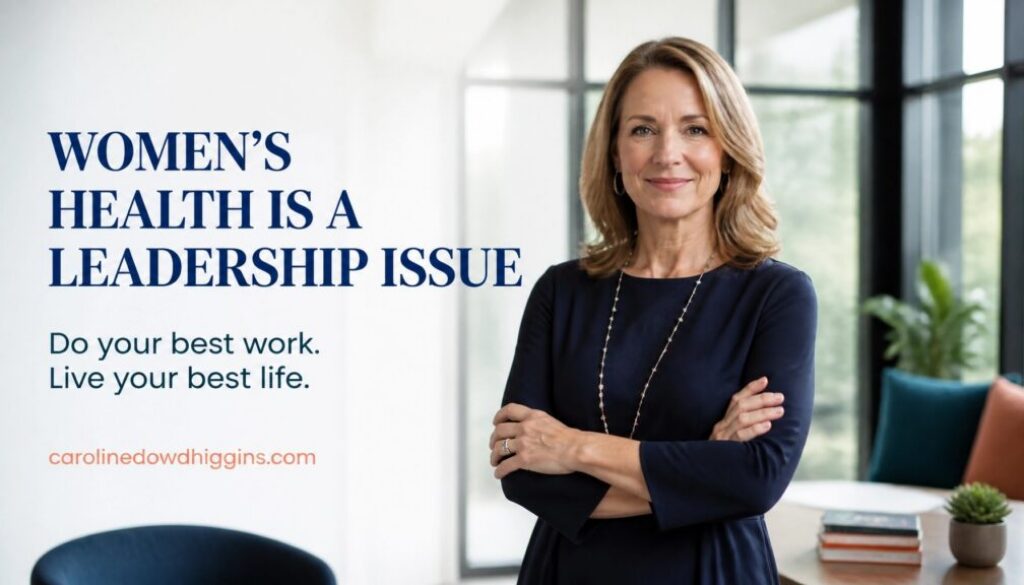
Women’s health is a leadership issue. It is also a retention issue, a burnout issue, and a business performance issue.
In her Chief article, “The Leadership Advantage We’re Still Afraid to Talk About,” Joy Allen-Altimare, President at Vella Bioscience and a Chief member, identifies a significant blind spot in modern leadership: organizations invest in coaching, mental health, financial wellness, flexibility, and productivity tools, yet often overlook the health experiences that directly shape how women work and lead.
That blind spot is costly.
Leadership Happens Inside Real Bodies
Leadership does not happen outside the body. It happens inside real people who age, recover, change, and manage complex lives.
Women’s hormonal health can affect far more than reproductive health. Perimenopause, menopause, and other midlife transitions can influence sleep, cognition, confidence, focus, energy, stress response, emotional resilience, physical comfort, and relationships.
These changes often occur during the same years when women are leading teams, building businesses, serving on boards, caring for family members, and making high-stakes decisions.
Chief reports that nearly one in two women say menopause affects their job performance, while 42% say it affects their ambition. Those numbers should stop every CEO, board member, and talent leader in their tracks.
What happens when an experienced leader is struggling with disrupted sleep or brain fog but feels unable to name it? What happens when she quietly reduces her visibility, turns down an opportunity, or begins considering an early exit?
You may call it disengagement. The real issue may be a workplace that does not support the whole person.
We Have Mistaken Silence for Strength
For too long, professionalism has been confused with invisibility.
Don’t mention menopause. Don’t discuss painful periods, pelvic pain, disrupted sleep, or changing energy. Don’t acknowledge how hormonal shifts affect your work. Instead, keep performing. Keep smiling. Keep proving that you can handle everything.
That is not resilience. It is unnecessary suffering disguised as professionalism.
When employees cannot safely discuss the conditions affecting their performance, leaders lose the opportunity to solve the actual problem. Fatigue becomes a performance concern. Absences become a reliability issue. Turnover becomes a “career choice.”
Silence does not make a workplace more professional. It makes the workplace less informed.
Your organization does not need to intrude on anyone’s privacy. It does need to create psychological safety, provide useful resources, train managers, and ensure that requesting reasonable support does not damage someone’s reputation or advancement potential.
Whole-Person Health Drives Workplace Performance
Allen-Altimare also expands the conversation to include sexual wellness and physical wellbeing, topics many workplaces still treat as too personal to acknowledge.
The point is not to make employers responsible for employees’ private lives. The point is to recognize that work and life are not separate operating systems.
Sleep, confidence, stress, physical comfort, relationships, and emotional health all influence how people communicate, make decisions, collaborate, and lead. When hormonal changes affect intimacy or physical wellbeing, those effects do not simply disappear at the office door.
Whole-person health is not a luxury benefit. It is part of sustainable performance.
The Business Case Is Clear
Companies that openly support women’s health will be better positioned to retain experienced leaders and attract top executive talent.
Women are asking:
- Does this company understand menopause?
- Can I request flexibility without being viewed as less committed?
- Does leadership acknowledge caregiving and changing health needs?
- Can I sustain a long career here?
The organizations that answer “yes” will strengthen engagement, protect institutional knowledge, reduce mid-career turnover, and build a more resilient talent pipeline.
This is not corporate generosity. It is strategic workforce planning.
Start by reviewing your benefits, manager training, flexibility policies, and employee listening data. Track patterns in absenteeism, turnover, engagement, and advancement by age and gender. Then ask the harder question: Where might your systems be demanding people compensate privately for problems the organization could address openly?
Stop Demanding Unnecessary Resilience
Women have already demonstrated extraordinary resilience. The next frontier of leadership is not asking them to endure more.
It is building organizations that no longer require unnecessary resilience just to succeed.
That means moving women’s health from the margins of HR into conversations with CEOs, boards, investors, managers, and talent development teams. It means connecting wellbeing to profitability instead of treating it as a side project.
I work with organizations to create healthy, sustainable workplaces where people can do their best work and live their best lives. Explore the Wellness Advantage keynote and workshops, the Human-Centered Leadership program, to begin closing your leadership blind spots.
Women’s health is not a niche issue. It is a performance variable: and the organizations that understand that first will lead what comes next.
Do your best work. Live your best life.
#WomensLeadership #MenopauseAtWork #WorkplaceWellbeing #BurnoutPrevention #ExecutiveLeadership #FutureOfWork #HumanCenteredLeadership #CarolineDowdHiggins #ExecutiveCoach #KeynoteSpeaker